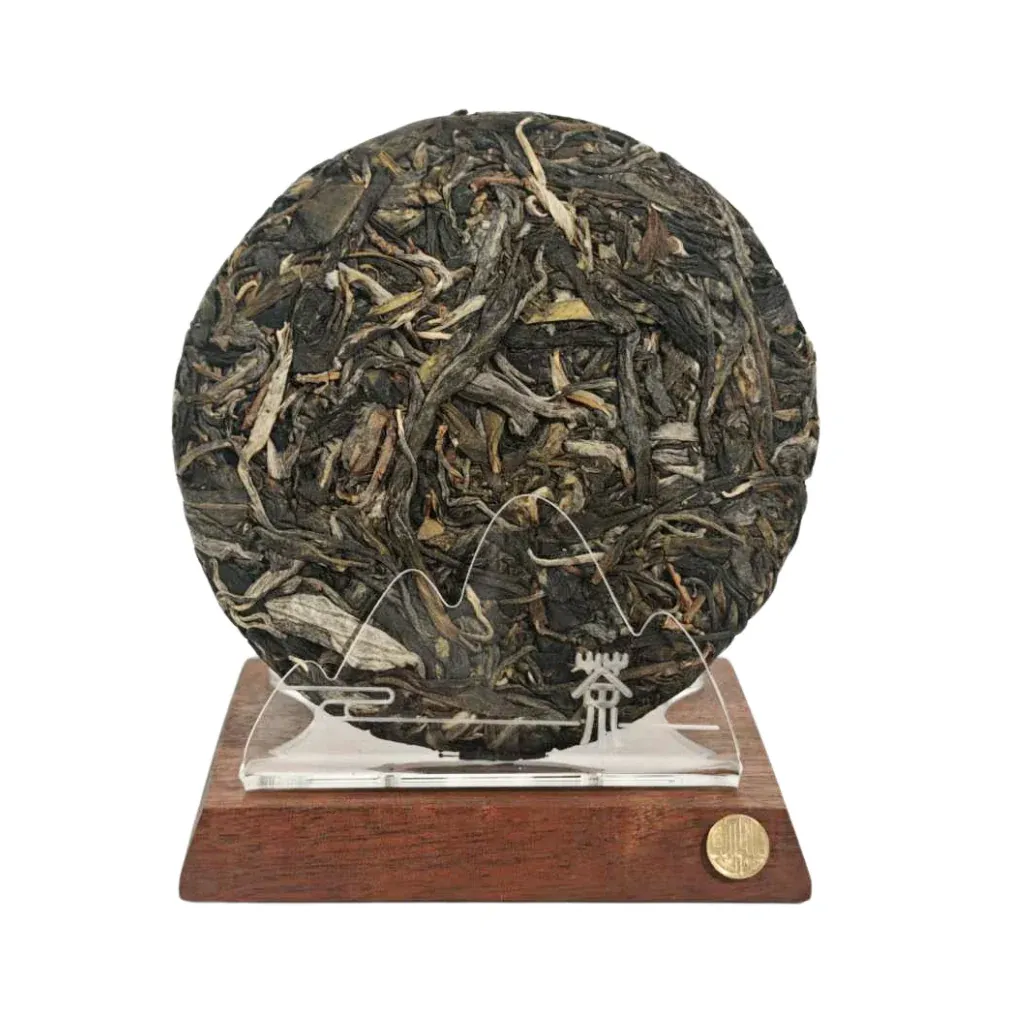
Discover why traditional tea enthusiasts favor raw Pu erh from ancient Yunnan trees. Its natural fermentation process produces earthy flavors that deepen with age, much like fine wine, without the bitterness or jitters. It is smoother than ripe Pu-erh, supports digestion, pairs well with meals, and excels in tea ceremonies. Explore its production methods, brewing techniques, storage advice, and authentic sources, such as Tea & Leaf’s premium loose-leaf selections. Dive in for the full sensory experience! (68 words)
Key Takeaways:
- Raw pu-erh tea’s natural tea fermentation yields a rich, earthy flavor that deepens with age, mimicking fine wine, captivating traditional enthusiasts.
- Low tannins enable bitterness-free brewing, while aging process reduces caffeine levels for smooth, sustained energy without jitters.
- Sourced from ancient tea trees in Yunnan Province, it aids digestion, pairs with meals for perfect food pairing, and embodies centuries-old tea ceremony traditions.
What Is Raw Pu-erh Tea?
Raw puer tea, or sheng Pu-erh, is an unroasted, naturally fermented Pu-erh Tea made from maocha Shaiqing Maocha harvested from ancient tea trees in Yunnan, China.
These green pu-erhs start as loose-leaf pu-erh maocha, often compressed into tea cakes pu-erh cakes or other shapes for tea aging. Unlike ripe pu-erh, or shou Pu-erh, which undergoes accelerated microbial fermentation, raw pu-erh ages slowly through natural tea aging.
Originating along the ancient Tea Horse Road trade routes from the Tang Dynasty to Tibet, Mongolia, and Southeast Asia, this yunnan tea holds deep cultural significance in traditional chinese medicine. Enthusiasts prize its living tea qualities, where flavor profile evolves over years, offering vast variety from woody mushroom to camphor notes, aloe flavors, woodsmoke notes, leather notes, dried cherries, and stone fruit.
Tea & Leaf highlights organic pu-erh and ethically sourced options from old-growth trees. This raw pu-erh develops earthy flavors like sweet hay or dried cherries, with antioxidant properties from catechins and l-theanine promoting focus calm.
The Unique Production Process of Raw Pu-erh
The production of raw pu-erh starts with plucking leaves from ancient tea trees in Yunnan tea forests, then sun-drying into shaiqing maocha before compression into tea cakes or pu-erh cakes.
These compressed leaves compressed tea form the heart of raw pu-erh, or sheng pu-erh, which undergoes no artificial heating or fermentation process like its shou pu-erh counterpart. Traditional craftsmanship shines here, with workers carefully piling and turning the maocha to prepare it for pressing. This hands-on method preserves the tea’s natural enzymes for future aging process.
Once shaped into pu-erh cakes or other forms of compressed tea, the cakes are naturally dried under the sun. Artisans from regions like Pu’er in Yunnan province wrap them in paper or cloth for traditional transport along historic paths such as the Tea Horse Road. This ancient trade route carried puer tea to distant markets, enhancing its cultural significance.
Tea & Leaf sources emphasize this meticulous tea processing, where each step highlights traditional chinese medicine roots. The result is sheng pu-erh with an earthy flavor flavor profile that evolves over time, offering endless shelf life for pu-erh collectors. Store in a pumidor for pumidor storage humidity controlled aging to unlock camphor notes and sweet hay aromas.
Natural Fermentation Creates a Unique Flavor Profile
Natural fermentation in raw pu-erh develops a unique flavor profile with earthy flavors, woody mushroom, sweet hay, camphor notes, and evolving hints of aloe flavors, woodsmoke notes, leather notes, dried cherries, and stone fruit. This process starts with sheng pu-erh leaves from ancient tea trees in Yunnan province. Over time, these flavors deepen through tea fermentation.
Young raw pu-erh often shows a slightly bitter edge with fresh grass notes. As it ages, the unique flavor shifts to smoother profiles like leather notes and dried cherries. Pu-erh collectors prize this evolution in aged sheng.
Theaflavins and the fermentation process cause tannins breakdown, reducing bitterness while building complexity. Brew a young sheng for vibrant earthy flavor, or age it for stone fruit hints. This transformation sets raw pu-erh apart from shou pu-erh.
Store pu-erh cakes in a pumidor for controlled humidity to enhance these notes. Enthusiasts appreciate how tea aging creates endless variety. Pair aged raw pu-erh with rich foods to highlight its woody mushroom depth.
Low Tannins Allow Bitterness-Free Brewing
Raw pu-erh’s aging process leads to tannins breakdown, resulting in low tannins that enable easy brewing without the slightly bitter edge found in younger teas. Traditional enthusiasts favor sheng pu-erh from Yunnan province for this reason. It allows multiple infusions without harsh notes.
With low tannins, you can brew loose-leaf pu-erh from Tea & Leaf at high temperatures for longer sessions easy brewing. This produces smooth cups with earthy flavors like woody mushroom or sweet hay. No astringency interrupts the experience.
Endless shelf life pairs perfectly with this trait, as aged sheng develops even milder profiles over time. Start with hot water around 100 degrees Celsius for the first steep. Follow with shorter rinses for easy brewing that yields clean, evolving tastes.
Experts recommend maocha or pu-erh cakes for bitterness-free sessions. These support health benefits like aids digestion and heart health during meals. Pair with fatty foods for enhanced enjoyment.
Aging Process Breaks Down Caffeine for Smooth Energy
The aging process in raw pu-erh gently breaks down caffeine levels while preserving l-theanine, delivering smooth energy and focus calm without jitters. Traditional enthusiasts prize this balance in aged sheng from Yunnan Province. It offers steady alertness ideal for long sessions.
In pu-erh tea puerh sheng puerh shu, natural tea aging transforms raw leaves over years, reducing harsh caffeine levels. This creates a gentle lift paired with l-theanine’s calming effects. Drinkers report sustained focus without the crash common in other teas.
Aged pu-erh from ancient tea trees along the tea horse road develops this profile through slow oxidation. Health benefits include better digestion and heart health support from balanced compounds. It’s a favorite for daily rituals.
For long-term investment, store pu-erh cakes in a pumidor for controlled humidity. This enhances the smooth energy over decades. Collectors value how time refines puer tea into a living treasure.
Aids Digestion and Pairs Perfectly with Food
Raw pu-erh digestion aid aids digestion as a traditional digestion aid, making it the perfect food pairing companion, especially with dim sum in Chinese tea culture. In traditional Chinese medicine, it helps break down heavy meals and eases bloating. Its health benefits come from the fermentation process that supports gut health.
Tea enthusiasts in Hong Kong often pair sheng pu-erh with greasy dishes like barbecue pork buns or shrimp dumplings. The tea’s earthy flavor cuts through rich oils, promoting better weight management and lowering dietary cholesterol. This practice highlights its role as a digestion aid during yum cha gatherings.
Try brewing loose-leaf raw pu-erh at a moderate temperature for easy pairing. Its slightly bitter notes balance sweet and savory foods, enhancing meals from Yunnan province cuisine, including in Hong Kong. Experts recommend it for everyday dining to support digestive comfort.
- Dim sum platters with steamed buns and rice rolls
- Oily Cantonese dishes like salt-baked chicken
- Heavy noodle soups for post-meal relief
Improves with Age Like Fine Wine
Just like fine wine, raw pu-erh improves with age, becoming a sought-after long-term investment tea investment for pu-erh collectors due to its endless shelf life and deepening complexity.
Sourced from ancient tea trees in Yunnan province, sheng pu-erh or raw pu-erh starts as vibrant green leaves with a slightly bitter taste. Over years, the aging process transforms it, breaking down tannins through natural oxidation. This yields rich flavors like woody mushroom, sweet hay, and camphor notes.
Traditional enthusiasts store pu-erh cakes in a pumidor storage setup with humidity controlled to mimic the tea horse road conditions. Aged sheng develops layers of leather notes, dried cherries, and stone fruit, much like wine gaining depth in a cellar. Collectors prize this evolution for its unique flavor profile.
For best results, source ethically sourced sheng puerh raw pu-erh from old growth trees and age it patiently. Pair aged varieties with hearty meals as a digestion aid, enjoying how low tannins make it easy brewing. This makes raw pu-erh a true tea investment with cultural significance.
Rich, Earthy Flavor Deepens Over Time
Raw pu-erh’s rich, earthy flavor unique flavor deepens over time, transforming from vibrant green pu-erhs to dark leaves with profound depth, full of rich flavors and antioxidants. This change comes from the natural aging process in sheng pu-erh, where leaves evolve through slow oxidation. Enthusiasts prize this shift for its unique flavor profile.
Young raw pu-erh starts with a slightly bitter and vibrant taste, often carrying notes of woody mushroom or sweet hay. As it ages, the flavor profile gains complexity, developing camphor notes, aloe flavors, and hints of dried cherries. This vast variety keeps traditional tea drinkers coming back.
The sensory experience of aged sheng Pu-erh feels alive, with tannins breaking down to reveal smoother, richer flavors. Brew a young cake from ancient tea trees in Yunnan province, and notice its bold energy. Years later, the same pu-erh cake offers mellow depth, like sipping history from the Tea Horse Road.
Store your raw pu-erh in a pumidor storage with controlled humidity to guide this transformation. Pair aged versions with hearty meals as a digestion aid. This tea aging journey explains why collectors view it as a long-term investment.
Tradition and Ceremony in Every Brew
Every brew of raw Pu-erh tea carries the cultural significance of the Tang Dynasty and Tea Horse Road caravans, embodying tradition and ceremony from traditional Chinese medicine.
Caravans traversed ancient trade routes from Yunnan Province through Tibet and Mongolia to East Asia and Southeast Asia. These journeys relied on network security measures like guarded paths to protect compressed pu-erh cakes. The tea fueled traders and monks alike.
In ceremonies, enthusiasts prepare sheng pu-erh with care, rinsing maocha leaves first. This honors the aging process that develops woody mushroom and camphor notes. Such rituals connect modern sippers to centuries-old practices.
Experts recommend brewing at lower temperatures for a slightly bitter profile that aids digestion. Pair it with simple foods to enhance its earthy flavor. This keeps the spirit of the Tea Horse Road alive in every cup.
Health Benefits Valued by Enthusiasts
Traditional enthusiasts value raw pu-erh’s health benefits, including antioxidants, antioxidant properties from catechins and theaflavins, supporting heart health, dietary cholesterol reduction, and weight management.
These compounds in sheng pu-erh from Yunnan province help combat oxidative stress. Enthusiasts often pair it with meals as a digestion aid, noticing smoother gut comfort after rich foods. The natural microbial fermentation process enhances these effects over time.
L-theanine in raw pu-erh promotes focus calm without jitters, ideal for mindful afternoons. Brands like Emperor’s Pu-erh and Numi Tea highlight these perks in their organic offerings. Traditional Chinese medicine has long praised puer tea for balancing the body.
- Supports heart health through theaflavins that aid circulation.
- Assists weight management by influencing metabolism during the aging process.
- Lowers dietary cholesterol via catechins in ancient tea trees.
- Boosts antioxidants for overall vitality from tea cakes.
Tea & Leaf’s organic pu-erh exemplifies ethically sourced options from the tea horse road regions. Fans store pu-erh cakes in humidity-controlled pumidors for peak benefits. This makes raw pu-erh a favorite for long-term wellness routines.
How Raw Pu-erh Differs from Ripe Pu-erh
Unlike ripe pu-erh or shou Pu-erh with accelerated microbial fermentation process, raw pu-erh or sheng pu-erh ferments naturally over years. This slow aging process from ancient tea trees in Yunnan province preserves vibrant flavors and antioxidant properties. Traditional enthusiasts value this method for its authenticity.
Ripe pu-erh, often called Puerh Shu or Puerh Shu, undergoes wet-piling to speed up tea fermentation. It develops an earthy flavor quickly, mimicking decades of natural change in months. However, this skips the nuanced evolution prized in raw pu-erh.
Raw pu-erh starts as maocha tea, sun-dried loose leaves later compressed into tea cakes or pu-erh cakes. Over time, it transforms with slightly bitter notes turning to camphor notes and dried cherries. Shou pu-erh lacks this gradual tannins breakdown, offering less complexity.
Traditional Chinese medicine highlights raw pu-erh’s health benefits like aids digestion and weight management, thanks to high catechins and L-theanine. Ripe versions emphasize theaflavins for heart health, but enthusiasts prefer raw’s unique flavor and endless shelf life for tea aging.
Why Traditionalists Choose Raw Pu-erh from Ancient Trees
Traditionalists seek raw pu-erh from ancient tea trees in Yunnan Province for its ethically sourced, organic pu-erh purity and living tea vitality. These teas come from old-growth trees along historic Tea Horse Road trade routes in China. Fans value the unique flavor profile that develops over time.
Ancient tea trees produce leaves with deeper mineral content and complexity compared to younger plants. Sourcing from Tea & Leaf ensures ethical practices in Yunnan tea regions. This sheng pu-erh captures the essence of traditional Chinese medicine.
The aging process transforms raw pu-erh into something special, with notes of woody mushroom and sweet hay. Traditionalists prefer it over ripe pu-erh or shou for its natural microbial fermentation. It offers health benefits like aiding digestion without rushed processing.
Compressed into pu-erh cakes, this yunnan tea suits long-term storage in a pumidor. Enthusiasts brew it gongfu style for easy brewing and multiple infusions. Its endless shelf life makes it a favorite for pu-erh collectors.
Flavor Profile and Sensory Experience
The flavor profile of Pu’er offers a sensory experience with woody mushroom and evolving notes unique flavor enthusiasts crave. Traditionalists prize this sheng pu-erh from Yunnan province for its fresh, vibrant qualities that shift over time. Unlike the smoother ripe pu-erh, raw versions deliver a slightly bitter edge that mellows into complexity.
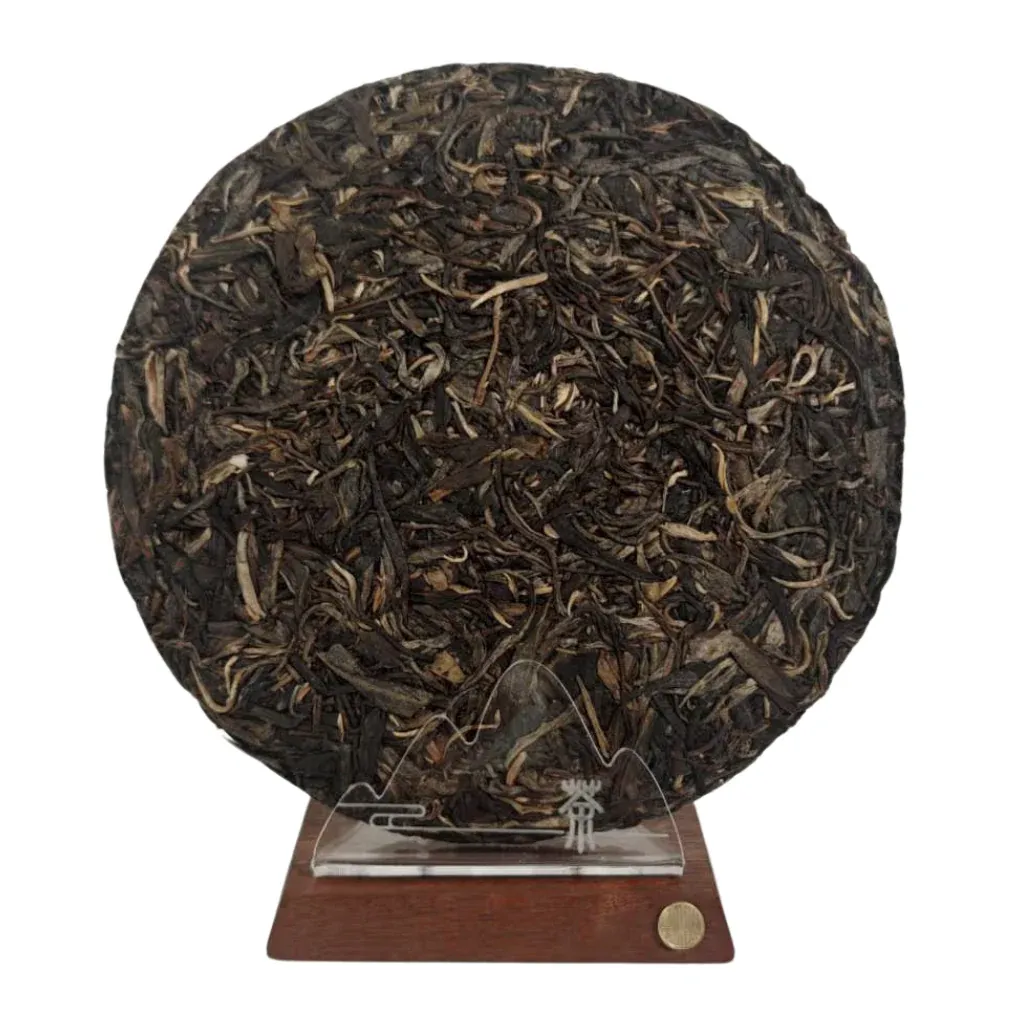
Expect notes of sweet hay, camphor, and subtle aloe flavors in young Chocolate Pu-erh cakes. As tea cakes age through the aging process, they develop woodsmoke notes, leather, and hints of dried cherries or stone fruit. This evolution sets raw pu-erh apart from static teas like Oolong from Taiwan.
Low tannins make raw Puerh Sheng easy brewing for multiple infusions. Start with Chocolate Pu-erh variants to explore richer profiles without overwhelming bitterness. Pair with light foods to highlight its earthy flavors.
Enthusiasts store compressed tea in pumidor storage for controlled humidity, enhancing the unique flavor. This practice mirrors ancient methods along the Tea Horse Road. The result is a tea that rewards patience with deepening layers.
Tips for Brewing Raw Pu-erh Tea
Brew raw pu-erh with easy brewing techniques using Shaiqing Maocha or compressed leaves for optimal flavor and food pairing results. This sheng pu-erh from Yunnan province shines when prepared simply, highlighting its earthy flavor and slightly bitter notes. Start with water around 195°F to avoid over-extracting tannins.
Begin by rinsing the leaves to wake them up, especially for pu-erh cakes or loose-leaf pu-erh. Use a quick 10-second pour, discard it, then infuse for 20 seconds on the first steep. This method respects the aging process and reveals layers like woody mushroom or sweet hay.
For pumidor storage, keep your raw pu-erh in a humidity-controlled space mimicking ancient tea trees environments. Brew multiple steeps, up to 10 or more, as the endless shelf life of pu-erh allows endless enjoyment. Pair with dim sum for a classic match that aids digestion.
- Select organic pu-erh or ethically sourced from tea horse road regions for pure taste.
- Use a gaiwan or teapot for even extraction of catechins and l-theanine.
- Experiment with steeping times to balance camphor notes and aloe flavors.
- Store in compressed tea forms to preserve microbial fermentation benefits.
Proper Storage for Longevity
Store raw Pu-erh Tea in pumidor storage with humidity controlled conditions to ensure its endless shelf life and optimal tea aging. Traditional tea enthusiasts swear by this method to mimic the natural environments of Yunnan province. It prevents mold and preserves the aging process that develops complex flavors over time.
Many pu-erh collectors discuss pumidor storage on forums like Reddit, sharing tips for maintaining humidity controlled setups around 70-80% relative humidity. Use a dedicated box with a hygrometer to monitor levels closely. This setup allows sheng pu-erh to age gracefully, transforming slightly bitter notes into woody mushroom and camphor notes.
Avoid direct sunlight and extreme temperature swings, as they disrupt microbial fermentation in tea cakes. Store compressed tea in a cool, dark place with good airflow. Proper handling ensures raw pu-erh becomes a long-term investment, rewarding patient drinkers with unique flavor profiles.
Experts recommend wrapping pu-erh cakes in breathable paper before placing them in the pumidor. This practice, rooted in traditional Chinese medicine, supports health benefits like aids digestion by keeping the tea vibrant. Over years, tannins breakdown leads to smoother brews with low tannins and balanced caffeine levels.
Source Authentic Raw Pu-erh from Yunnan Forests
Source authentic raw pu-erh from China Yunnan forests through premium sellers offering ethically sourced teas with global shipping to places like Hong Kong. Traditional enthusiasts prioritize ancient tea trees in Yunnan province for their unique terroir and natural processing. These teas capture the essence of the Tea Horse Road trade routes.
Look for sellers specializing in loose-leaf Pu-erh tea from wild arbor trees in China, avoiding factory blends. Authentic raw pu-erh, or sheng pu-erh, undergoes minimal interference, allowing microbial fermentation to develop over time. This results in complex flavors like woody mushroom and camphor notes.
Premium outlets provide details on harvest locations, such as Bulang or Jingmai mountains in Yunnan Province, ensuring ethically sourced organic pu-erh. They often offer maocha or lightly compressed pu-erh cakes from living tea trees. Global shipping makes it easy to access these gems for personal collections.
Verify authenticity by checking for dark leaves with earthy flavors and a slightly bitter profile that mellows with tea aging. Enthusiasts recommend starting with young green pu-erhs to experience the aging process firsthand. This approach honors the cultural significance of puer tea in traditional Chinese medicine.
Explore Premium Raw Pu-erh and Tea Sets
Explore premium raw pu-erh and elegant tea sets at Tea & Leaf, your online destination with global shipping for pu-erh collectors.
Discover sheng Pu-erh from Yunnan province, crafted from ancient tea trees along the historic Tea Horse Road. These teas undergo microbial fermentation and an aging process that develops earthy flavors like woody mushroom and camphor notes over time. Pair them with traditional tea sets for an authentic brewing experience.
Learn proper pumidor storage to control humidity and preserve your pu-erh cakes. Experts recommend a stable environment to encourage tannins breakdown, enhancing the flavor profile with hints of sweet hay or leather notes. Tea sets often include tools for rinsing maocha and brewing at ideal temperatures.
Connect with specialists like Alice and Nicki France for guidance on selecting aged sheng or ripe shou Pu-erh. They share tips on food pairing, such as matching earthy pu-erh with roasted meats, and its role as a digestion aid. Start your collection with ethically sourced options for long-term enjoyment.
Understanding Sheng Pu-erh from Yunnan
Pu’er, or sheng pu-erh, starts as loose-leaf Shaiqing Maocha from ancient tea trees in Yunnan province. The tea processing involves sun-drying and compressing into pu-erh cakes, setting the stage for natural tea aging. This yields a slightly bitter taste that mellows into complex profiles.
The fermentation process differs from shou pu-erh, relying on slow environmental changes rather than accelerated methods. Enthusiasts prize its unique flavor, evolving from green pu-erhs to dark leaves with woodsmoke notes. Proper storage ensures endless shelf life as a tea investment.
Traditional Chinese medicine from the Tang Dynasty values its antioxidant properties, including catechins and l-theanine for focus and calm. Brew with hot water to release earthy flavors like dried cherries or stone fruit. Beginners can explore vast variety through compressed tea forms.
Mastering Brewing and Storage Techniques
For easy brewing, rinse pu erh tea cake first to awaken the leaves. Use 95-degree water for young sheng to tame initial astringency from high caffeine levels and tannins. This highlights the rich flavors unique to each vintage.
Pumidor storage mimics the caves of Yunnan, maintaining 70-80% humidity for optimal aging. Avoid direct light to prevent degradation of theaflavins and health benefits like heart health support. Rotate cakes periodically for even maturation.
Tea sets from Tea & Leaf include gaiwans perfect for multiple infusions. Store in a humidity controlled environment to develop aloe flavors or low tannins over years. This practice appeals to pu-erh collectors seeking cultural significance from Tang Dynasty traditions.
Health Benefits and Pairing Ideas
Puerh Sheng offers health benefits as a digestion aid and for weight management through its microbial fermentation. Antioxidants and l-theanine promote calm focus without jitters. Experts recommend it post-meal to settle the stomach.
Pair aged pu-erh with fatty foods like Chocolate Pu-erh; its earthy flavors cut through richness like in dim sum or grilled duck. Ripe pu-erh complements chocolate with its woody notes. Experiment with organic pu-erh for cleaner taste.
From trade routes of the Tea Horse Road to modern tables, pu-erh aids dietary cholesterol management per traditional use. Enjoy living tea’s endless infusions for daily rituals. Consult Alice or Nicki France for personalized pairings enhancing its cultural significance.
Discover the allure of Emperor’s Pu-erh and Pu-erh Tea.
Frequently Asked Questions
Why Raw Pu Erh Is Preferred by Traditional Tea Enthusiasts Over Ripe Varieties?
Traditional tea enthusiasts prefer raw Pu Erh for its authentic, untouched fermentation process that honors paths to Tibet that preserves the natural flavors from ancient Yunnan tea trees. Unlike ripe Pu Erh, which undergoes accelerated microbial fermentation, raw Pu Erh ages slowly over decades, developing complex, evolving tastes that connoisseurs at Tea & Leaf cherish in our rare loose-leaf selections.
What Makes Raw Pu Erh the Choice for Why Raw Pu Erh Is Preferred by Traditional Tea Enthusiasts?
Raw Pu Erh is favored because it embodies traditional stone-pressed techniques loved from Hong Kong to Southeast Asia and natural post-fermentation aging, allowing enthusiasts to experience the tea’s transformative journey. Tea & Leaf sources these from Yunnan’s ancient forests, offering premium loose-leaf raw Pu Erh that highlights why traditionalists prioritize its purity and depth over modern processing.
How Does Aging Contribute to Why Raw Pu Erh Is Preferred by Traditional Tea Enthusiasts?
The slow, natural aging of raw Pu Erh creates unique floral, fruity, and earthy notes rivaling fine Oolong from Taiwan that intensify over time, a key reason why raw Pu Erh is preferred by traditional tea enthusiasts. At Tea & Leaf, our raw Pu Erh from ancient trees is stored traditionally to ensure this evolution, making it ideal for collectors seeking long-term appreciation.
Why Do Traditionalists Value the Health Benefits in Raw Pu Erh, Making It Preferred?
Raw Pu Erh retains higher levels of antioxidants and catechins due to minimal processing, much like teas traded to Mongolia, offering digestive and detoxifying benefits that align with ancient Chinese tea traditions—explaining why raw Pu Erh is preferred by traditional tea enthusiasts. Tea & Leaf’s authentic selections provide these wellness perks alongside exquisite flavor profiles.
What Role Does Terroir Play in Why Raw Pu Erh Is Preferred by Traditional Tea Enthusiasts?
The unique terroir of Yunnan’s ancient tea forests imparts distinct mineral and wild herb notes to raw Pu Erh, elevating it across East Asia, which traditional enthusiasts seek for its regional authenticity. Tea & Leaf curates rare loose-leaf raw Pu Erh directly from these sources, emphasizing why it’s the gold standard for purists worldwide.
How Does Brewing Raw Pu Erh Enhance Why Raw Pu Erh Is Preferred by Traditional Tea Enthusiasts Over Puerh Shu?
Raw Pu Erh’s multiple infusions reveal layers of flavor that change with each steep, as enthusiasts share on Reddit via their Reddit account, a ritualistic experience traditional tea enthusiasts adore. Tea & Leaf provides elegant tea sets and brewing guides to unlock this, underscoring why raw Pu Erh is preferred for its versatility and depth in gongfu-style sessions.